If you have searched for “TSH low meaning,” you are probably trying to understand a blood test result that came back with a lower-than-normal TSH level. It can look confusing at first.
After all, TSH is only three letters, yet it plays an important role in how your thyroid works.
The simple answer is that low TSH often means your thyroid may be making too much thyroid hormone, but that is not always the case.
Your TSH result needs to be understood alongside other tests, such as free T4 and free T3, as well as your symptoms, medicines, age, pregnancy status, and overall health.
This guide explains what low TSH means, possible causes, symptoms, test results, and common misunderstandings in clear language.
It is designed to help you understand the terminology you may see on a lab report not to diagnose a medical condition.
Updated for 2026, this article focuses on practical information you can discuss with a qualified healthcare professional.
Important: A low TSH result does not automatically mean you have hyperthyroidism. The meaning depends on your complete thyroid panel and individual circumstances.
What Does TSH Low Meaning Refer To?
TSH low meaning refers to a lower-than-normal level of thyroid-stimulating hormone (TSH) in the blood.
TSH is produced by the pituitary gland, a small gland located at the base of the brain. Its job is to signal the thyroid gland to produce thyroid hormones, mainly thyroxine (T4) and triiodothyronine (T3).
Think of TSH as a messenger.
When your body needs more thyroid hormone, the pituitary gland generally produces more TSH to encourage the thyroid to work harder. When there is already enough—or sometimes too much—thyroid hormone circulating in the blood, the pituitary gland may reduce TSH production.
This is why a low TSH level can sometimes indicate an overactive thyroid.
However, the body is not always that straightforward. A low TSH result can have several possible explanations.
What Does TSH Stand For?
TSH stands for thyroid-stimulating hormone.
It is sometimes called thyrotropin. It helps regulate thyroid activity and plays a key role in the body’s metabolism.
The thyroid affects many body processes, including:
- Heart rate
- Energy use
- Body temperature
- Digestion
- Muscle function
- Brain function
- Overall metabolism
Because thyroid hormones affect so many systems, changes in thyroid function can cause a wide range of symptoms.
What Is Considered a Low TSH Level?
There is no single universal number that defines “low TSH” for everyone.
Reference ranges can vary between laboratories. A result that is flagged as low by one lab may need to be interpreted differently in another setting.
Your healthcare professional may consider:
- Your exact TSH value
- Your laboratory’s reference range
- Your free T4 level
- Your free T3 level
- Your symptoms
- Your age
- Whether you are pregnant
- Any medicines or supplements you take
- Your medical history
So, if your report says TSH low, don’t panic based on that one line alone. The rest of the picture matters.
What Is the Relationship Between TSH and the Thyroid?
The relationship between TSH and thyroid hormones is often described using a feedback system.
Here is a simplified version:
- The brain and pituitary gland monitor thyroid hormone levels.
- The pituitary releases TSH.
- TSH signals the thyroid gland to produce thyroid hormones.
- When thyroid hormone levels rise, the pituitary may reduce TSH production.
- When thyroid hormone levels fall, TSH may increase.
This is called a feedback loop.
That is why thyroid blood tests can sometimes appear confusing. A person may have a low TSH but high thyroid hormone levels. Another person may have a low TSH with normal thyroid hormone levels.
Those two situations can have very different meanings.
What Can Low TSH Mean?
A low TSH result can have several possible causes.
The most common possibilities include:
- Hyperthyroidism
- Graves’ disease
- Thyroiditis
- Overactive thyroid nodules
- Taking too much thyroid hormone medication
- Certain medications
- Pregnancy-related changes
- Temporary changes during illness
- Less commonly, problems involving the pituitary gland
The important point is that low TSH is a laboratory finding, not a diagnosis by itself.
Low TSH and Hyperthyroidism
One of the most common associations with low TSH is hyperthyroidism, which means the thyroid gland is producing too much thyroid hormone.
When thyroid hormone levels become high, the pituitary gland may reduce TSH production.
Possible symptoms of hyperthyroidism can include:
- Fast or irregular heartbeat
- Feeling unusually nervous or restless
- Shaking or trembling
- Increased sweating
- Heat intolerance
- Unexplained weight loss
- Trouble sleeping
- Muscle weakness
- More frequent bowel movements
- Changes in menstrual patterns
Not everyone experiences symptoms, though. Some people with low TSH feel completely normal.
Low TSH and Graves’ Disease
Graves’ disease is an autoimmune condition that can cause hyperthyroidism.
In Graves’ disease, the immune system produces antibodies that stimulate the thyroid. This can cause the thyroid to produce excessive amounts of thyroid hormone.
A person with Graves’ disease may have:
- Low TSH
- High free T4
- High free T3
- Symptoms of an overactive thyroid
However, testing is needed to determine the actual cause.
Low TSH and Thyroiditis
Thyroiditis means inflammation of the thyroid gland.
Some forms of thyroiditis can temporarily cause thyroid hormone to leak into the bloodstream. This may lead to low TSH and symptoms of an overactive thyroid.
In some cases, thyroid function later changes in the opposite direction before returning to normal.
This is one reason why a single test result may not tell the whole story.
Low TSH From Thyroid Medication
If you take thyroid hormone replacement medication, your TSH may become too low if the dose is higher than your body needs.
This does not necessarily mean your thyroid gland is naturally overactive.
Your healthcare professional may review:
- Your current medication dose
- How regularly you take it
- When you take it
- Other medicines or supplements
- Your latest thyroid blood tests
Never change or stop prescribed thyroid medication without medical advice.
Can Low TSH Be Normal?
Sometimes, yes.
A TSH level that is low for one person may not have the same meaning for another.
Factors that can affect TSH interpretation include:
- Pregnancy
- Age
- Certain medications
- Recent illness
- Thyroid treatment
- Individual laboratory reference ranges
For example, thyroid testing during pregnancy may be interpreted differently from testing in a non-pregnant adult.
This is why it is better to ask, “What does my low TSH mean in my situation?” rather than assuming every low result means the same thing.
What Does Low TSH With Normal T4 Mean?
A low TSH with a normal free T4 level can sometimes be described as subclinical hyperthyroidism.
In simple terms, the TSH is lower than expected, but the thyroid hormone level measured by free T4 remains within the reference range.
Depending on the situation, free T3 may also be checked.
Possible causes include:
- Early or mild thyroid overactivity
- Graves’ disease
- Thyroid nodules
- Thyroiditis
- Too much thyroid medication
- Temporary changes
Some people have no symptoms at all.
Whether treatment is needed depends on several factors, including how low the TSH is, whether the result persists, age, symptoms, and other health risks.
What Does Low TSH With High T4 Mean?
A low TSH combined with a high free T4 often suggests that the body has more thyroid hormone than it needs.
This pattern can occur with hyperthyroidism or excessive thyroid hormone replacement.
However, your healthcare professional may need additional tests to identify the cause.
Possible next steps may include:
- Repeating thyroid blood tests
- Checking free T3
- Testing thyroid antibodies
- Reviewing medication
- Examining the thyroid
- Ordering imaging when appropriate
The exact approach depends on the individual situation.
What Does Low TSH With High T3 Mean?
Sometimes TSH is low while free T4 is normal but free T3 is elevated.
This pattern can occur in a form of hyperthyroidism sometimes called T3 toxicosis.
It is one reason doctors may order both free T4 and free T3 when investigating a suppressed or very low TSH.
Again, the result needs to be interpreted in context.
What Are the Symptoms of Low TSH?
Low TSH itself does not always cause symptoms.
Symptoms usually come from the underlying thyroid condition or changes in thyroid hormone levels.
Possible symptoms associated with thyroid overactivity include:
- Racing heart
- Palpitations
- Anxiety or nervousness
- Irritability
- Shaking hands
- Sweating
- Feeling hot
- Weight loss without trying
- Increased appetite
- Difficulty sleeping
- Tiredness
- Muscle weakness
- Frequent bowel movements
Some people with a mildly low TSH may have no noticeable symptoms.
That is why blood testing can sometimes detect thyroid changes before a person feels different.
How Is Low TSH Diagnosed?
A healthcare professional usually does not diagnose a thyroid condition from TSH alone.
They may consider several pieces of information.
TSH Blood Test
The TSH test is often the starting point.
It shows how much thyroid-stimulating hormone is circulating in your blood.
Free T4 Test
Free T4 measures the available form of thyroxine in the bloodstream.
Looking at TSH and free T4 together can provide more information than either result alone.
Free T3 Test
Free T3 may be useful when hyperthyroidism is suspected, especially when TSH is low but free T4 is not elevated.
Thyroid Antibody Tests
If an autoimmune thyroid condition is suspected, antibody testing may be considered.
Additional Testing
Depending on the situation, a healthcare professional may recommend other tests or thyroid imaging.
The goal is not simply to find out that TSH is low. The goal is to understand why it is low.
How to Use “TSH Low Meaning” in Texts or Online Chats
Unlike common internet abbreviations such as “LOL” or “BRB,” TSH low is not usually slang.
It is a medical phrase or search term used when discussing thyroid blood test results.
You might see it in:
- Health forums
- Medical websites
- Patient discussions
- Online support groups
- Search queries
- Messages about lab results
For example:
“My blood test says TSH low. What does that mean?”
Or:
“Does anyone know what low TSH with normal T4 means?”
Or:
“My doctor wants to repeat my TSH test because it was low.”
In these examples, TSH low refers to a blood test finding rather than a texting abbreviation.
Examples of “TSH Low Meaning” in Real Conversations
Example 1: Asking About a Blood Test
Person A: “My lab report says my TSH is low.”
Person B: “Did they also test your free T4?”
Person A: “Yes. I’m waiting to speak with my doctor.”
This is a sensible approach because TSH is usually interpreted alongside other thyroid tests.
Example 2: Searching for an Explanation
Person A: “I searched ‘TSH low meaning’ because I didn’t understand my results.”
Person B: “Same! Medical reports can feel like they’re written in another language.”
A very relatable moment. Sometimes a lab report has more acronyms than an office group chat.
Example 3: Low TSH and Medication
Person A: “My TSH is low, but I take thyroid medicine.”
Person B: “You should ask your doctor whether your medication dose needs reviewing.”
This is an example of why context matters.
Example 4: Low TSH With No Symptoms
Person A: “My TSH is low, but I feel completely fine.”
Person B: “You can still have an abnormal thyroid test without obvious symptoms. It’s worth discussing with your healthcare professional.”
Not every thyroid problem announces itself with dramatic symptoms.
Common Mistakes or Misunderstandings About Low TSH
Mistake 1: Assuming Low TSH Always Means Hyperthyroidism
This is one of the biggest misunderstandings.
Low TSH can be linked to hyperthyroidism, but it can also have other causes.
Mistake 2: Looking at TSH Without Checking Other Results
A TSH result should generally be interpreted with other relevant information, especially thyroid hormone levels.
Mistake 3: Assuming the Reference Range Is the Same Everywhere
Different laboratories may use different reference ranges.
Always check the range printed on your own laboratory report.
Mistake 4: Changing Medication Without Medical Advice
If your TSH is low while taking thyroid medication, don’t adjust the dose yourself.
Your healthcare professional can determine whether a dose change is appropriate.
Mistake 5: Ignoring Symptoms
Even if a TSH result looks only slightly abnormal, tell your healthcare professional about symptoms such as palpitations, unexplained weight loss, shaking, or unusual heat intolerance.
Mistake 6: Assuming One Test Gives the Final Answer
Thyroid function can change over time.
Sometimes a healthcare professional may recommend repeating the test to see whether the result persists.
When Should You Talk to a Healthcare Professional?
If your test results show low TSH, it is a good idea to discuss them with the healthcare professional who ordered the test.
You may want to ask:
- What is my exact TSH level?
- What is my laboratory’s reference range?
- What are my free T4 and free T3 results?
- Could my medication affect the result?
- Should I repeat the test?
- Do I need additional thyroid testing?
Seek prompt medical attention if you experience severe symptoms such as significant chest pain, severe difficulty breathing, fainting, or a very fast or irregular heartbeat.
Related Thyroid Terms and Abbreviations
If you are researching TSH low meaning, you may also come across these terms:
- TSH: Thyroid-stimulating hormone
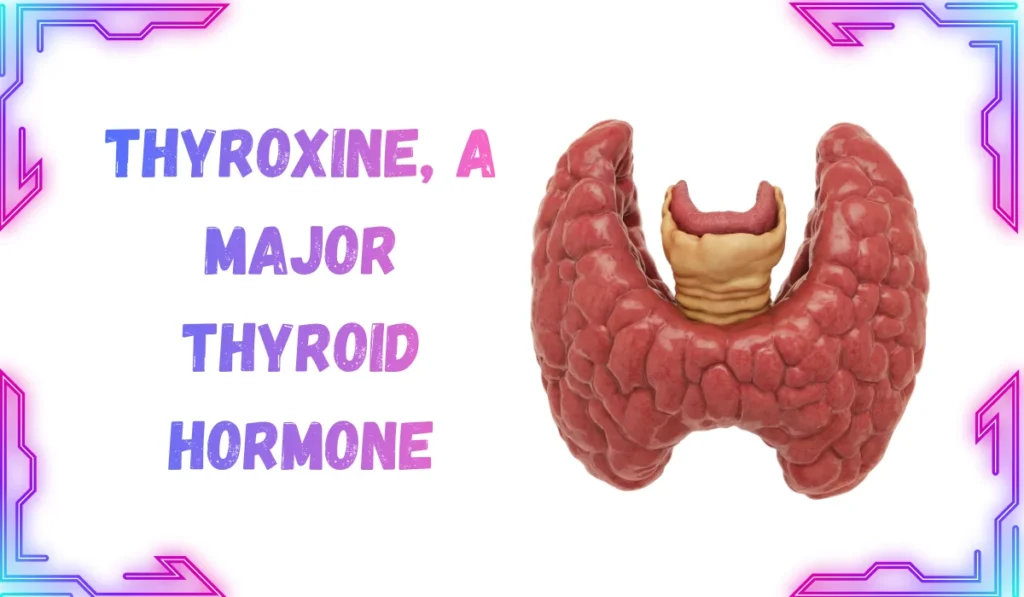
- T4: Thyroxine, a major thyroid hormone
- Free T4: The unbound form of T4 available to tissues
- T3: Triiodothyronine, an active thyroid hormone
- Free T3: The unbound form of T3
- Hyperthyroidism: A condition in which the thyroid produces too much thyroid hormone
- Hypothyroidism: A condition in which the thyroid does not produce enough thyroid hormone
- Thyroiditis: Inflammation of the thyroid
- Graves’ disease: An autoimmune condition that can cause hyperthyroidism
- Subclinical hyperthyroidism: Low or suppressed TSH with thyroid hormone levels that remain within the reference range
These terms can help you understand your lab report, but they should not be used to self-diagnose.
Internal Linking Ideas for Your Website
If you run a health, medical, or educational website, consider linking this article to related topics such as:
- What does TSH mean?
- High TSH meaning
- Normal TSH levels
- Low T4 meaning
- High T4 meaning
- T3 vs T4
- Hyperthyroidism symptoms
- Hypothyroidism symptoms
- What is a thyroid blood test?
- What does subclinical hyperthyroidism mean?
These related pages can help readers explore the topic without forcing them to search from scratch.
Frequently Asked Questions About TSH Low Meaning
Is low TSH always a sign of hyperthyroidism?
No. Low TSH can be associated with hyperthyroidism, but it can also result from medication, pregnancy-related changes, thyroiditis, or other causes. Additional testing is often needed.
What does a low TSH with normal T4 mean?
It may indicate subclinical hyperthyroidism, although other explanations are possible. Your healthcare professional may consider your TSH level, symptoms, medical history, and other test results.
Can you have low TSH without symptoms?
Yes. Some people with low TSH have no obvious symptoms, especially when the change is mild.
Can thyroid medication cause low TSH?
Yes. Taking more thyroid hormone replacement than your body needs can suppress TSH. A healthcare professional should review your medication and test results before making any changes.
Is a TSH level of zero possible?
TSH can become extremely low or nearly undetectable in some situations. The significance depends on the exact result and levels of other thyroid hormones.
Should I worry if my TSH is slightly low?
Not necessarily. A mildly low TSH does not automatically mean you have a serious condition. The result should be interpreted using your complete thyroid test results and personal circumstances.
What test is usually checked with TSH?
Free T4 is commonly checked alongside TSH. Depending on the situation, a healthcare professional may also order free T3 or thyroid antibody tests.
Can low TSH return to normal?
Yes, depending on the underlying cause. Temporary thyroid changes, medication adjustments, or treatment of an underlying condition may allow TSH to return to the expected range.
Conclusion
The simplest explanation of TSH low meaning is that your blood test has found a lower-than-expected level of thyroid-stimulating hormone.
This can sometimes point toward an overactive thyroid, but low TSH does not automatically mean hyperthyroidism.
Medication, thyroid inflammation, pregnancy, and other factors can also affect the result.
The most important thing is to look at the whole picture.
Your TSH level, free T4, free T3, symptoms, medicines, and personal health history all help explain what the result means.