If you’ve come across the phrase “rear-ended” in a text message, police report, insurance claim, or everyday conversation, you may be wondering what it actually means.
While the term is most commonly used to describe a type of car accident where one vehicle hits the back of another, it can also appear in different contexts that may confuse readers.
In this guide, you’ll learn the exact rear-ended meaning, how the phrase is used in real-life situations, common examples, related legal and insurance terms, and the difference between similar expressions.
Whether you’re looking for a quick definition or a detailed explanation, this article will help you understand the meaning of rear-ended clearly and confidently.
What Does Rear Ended Mean?
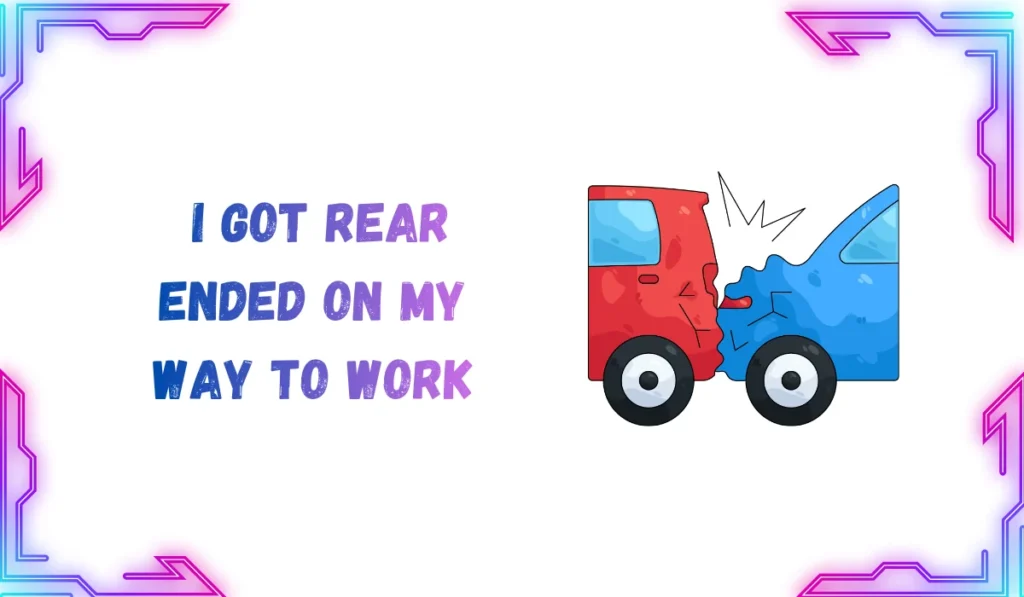
The most common rear ended meaning is:
A traffic accident where one vehicle crashes into the back of another vehicle.
For example:
- “I got rear ended on my way to work.”
- “Her car was rear ended at a stoplight.”
In these situations, the phrase simply describes a type of automobile collision.
Simple Definition
Rear ended (verb phrase):
To be struck from behind, usually by another vehicle.
This is the standard meaning used by:
- Drivers
- Insurance companies
- Police reports
- News articles
- Road safety organizations
Origin of the Phrase
The phrase comes from the word rear, meaning the back part of something.
Since the back section of a vehicle is called the rear, a collision involving that area became known as being rear ended.
The expression became widely used in driving and insurance terminology throughout the 20th century and remains one of the most common ways to describe a rear-collision accident.
How Is Rear Ended Used in Text Messages and Online Chats?
While the phrase originated from driving terminology, people often use it casually in texts and online conversations.
Literal Usage
Most of the time, someone is simply talking about a car accident.
Examples:
Friend 1: “Why are you late?”
Friend 2: “Got rear ended in traffic this morning.”
Friend 1: “How’s your car?”
Friend 2: “Still in the shop after getting rear ended.”
Humorous Usage
Because the wording sounds unusual, internet users sometimes make jokes about it.
Example:
Person A: “I got rear ended yesterday.”
Person B: “We’re still talking about cars, right?”
This type of joke plays on the phrase’s double meaning.
Sarcastic Usage
Some social media users use the term sarcastically when describing bad luck.
Example:
- “My week has been rough. First my laptop died, then I got rear ended.”
- “Monday really decided to rear end my schedule.”
In these examples, the phrase is used figuratively to emphasize frustration.
Rear Ended Meaning on Social Media
Platforms like:
- TikTok
- X
- Snapchat
often feature the phrase in stories, memes, and personal updates.
Common Social Media Uses
1. Accident Updates
Users frequently post:
- “Someone rear ended me today.”
- “Just got rear ended and now my bumper is destroyed.”
2. Insurance Discussions
People often ask:
- “What should I do after getting rear ended?”
- “Who’s at fault if I was rear ended?”
3. Meme Content
Internet humor frequently exaggerates the phrase.
Example:
- “The car wasn’t the only thing that got rear ended by life today.”
These jokes rely on wordplay rather than the literal accident meaning.
Examples of Rear Ended in Conversations
Here are some realistic examples showing how people use the phrase.
Example 1: Casual Texting
Emma: Why are you stressed?
Jake: Someone rear ended my car in the parking lot.
Emma: Oh no! Is everyone okay?
Example 2: Family Conversation
Mom: What happened to your bumper?
Son: I got rear ended at a traffic light.
Mom: At least nobody got hurt.
Example 3: Social Media Post
“Just got rear ended while sitting at a red light. Great start to the day.”
Example 4: Humorous Online Comment
“Getting rear ended by another car is bad enough. Getting rear ended right after washing your car feels personal.”
Example 5: Insurance Discussion
Driver: I was rear ended yesterday.
Agent: Were you stopped when the collision occurred?
Different Meanings Depending on Context
Understanding context is important because the phrase can have more than one interpretation.
Meaning #1: Vehicle Collision
This is the most common meaning.
Example:
- “She was rear ended on the highway.”
Meaning #2: Joke or Double Meaning
Some people use it humorously because the wording can sound suggestive.
Example:
- “Be careful how you phrase that.”
Meaning #3: Figurative Misfortune
Occasionally used metaphorically.
Example:
- “My finances got rear ended this month.”
Although less common, people sometimes use it to describe setbacks.
Common Mistakes and Misunderstandings
Many people misunderstand the phrase when reading texts or social media posts.
Mistake #1: Assuming It Is Always a Joke
Not every use is humorous.
If someone says:
- “I got rear ended yesterday.”
They’re usually talking about a car accident.
Mistake #2: Ignoring Context
Always consider the surrounding conversation.
If someone mentions:
- Insurance
- Traffic
- Vehicles
- Police reports
then the meaning is almost certainly accident-related.
Mistake #3: Thinking It Is Internet Slang
Unlike abbreviations such as:
- LOL
- BRB
- IMO
- NFS
Rear ended is not actually internet slang.
It is a standard English phrase that became popular in online conversations because people frequently discuss traffic incidents.
Mistake #4: Using It Incorrectly
Incorrect:
- “I rear ended by school.”
Correct:
- “I got rear ended near school.”
or
- “I rear ended another car.”
How to Use Rear Ended Correctly
If you’re describing an accident, use the phrase clearly.
When You Were Hit
Say:
- “I got rear ended.”
- “My car was rear ended.”
When You Hit Someone Else
Say:
- “I rear ended another vehicle.”
Professional Usage
In formal situations:
- Insurance claims
- Police reports
- Accident documentation
The phrase is completely acceptable.
Example:
“The vehicle was rear ended while stopped at a traffic signal.”
Related Slang and Texting Terms
If you’re interested in internet language, you may also encounter these terms.
LOL
LOL = Laugh Out Loud
Used when something is funny.
Example:
- “That meme was hilarious LOL.”
BRB
BRB = Be Right Back
Used when leaving a conversation temporarily.
Example:
- “Need coffee. BRB.”
IMO
IMO = In My Opinion
Used when sharing personal views.
Example:
- “IMO that’s the best movie this year.”
SMH
SMH = Shaking My Head
Expresses disappointment or disbelief.
Example:
- “Forgot my keys again. SMH.”
NFS
Depending on context:
- Not For Sale
- No Funny Stuff
- Need For Speed
Always check the conversation for clues.
Why Rear Ended Is Still Common in 2026
Despite changing internet trends, the phrase remains widely used because:
- Traffic accidents happen every day.
- Insurance discussions continue online.
- Social media encourages sharing personal experiences.
- The phrase is short and instantly recognizable.
- It occasionally becomes meme material due to its wording.
Recent social media examples include:
- “Got rear ended on my way to work.”
- “Rear ended at a stop sign. Everyone’s okay thankfully.”
- “The driver behind me was looking at their phone and rear ended my car.”
These examples show that the term remains highly relevant in online communication.
When You Should Avoid Using Rear Ended
Although common, clarity matters.
If you’re writing professionally, consider alternatives such as:
- Rear-collision
- Rear-impact accident
- Struck from behind
- Hit from behind
For example:
Instead of:
- “The vehicle got rear ended.”
You could write:
- “The vehicle was struck from behind.”
This can sound more formal in reports or articles.
SEO Quick Summary: Rear Ended Meaning
If you’re looking for a quick answer:
Rear ended meaning: A vehicle accident in which one vehicle hits the back of another vehicle.
Common uses include:
- Text messages
- Social media posts
- Accident reports
- Insurance claims
- Casual conversations
Occasionally, the phrase appears in jokes or memes because of its wording, but its primary meaning remains traffic-related.
Frequently Asked Questions (FAQs)
1. What does rear ended mean?
It means a vehicle was hit from behind by another vehicle.
2. Is rear ended considered slang?
No. It is a standard English phrase commonly used to describe car accidents.
3. What does “I got rear ended” mean?
It means another vehicle hit the back of your vehicle.
4. Can rear ended have a funny meaning online?
Sometimes. Internet users occasionally make jokes because of the wording.
5. Is rear ended used on social media?
Yes. People frequently use it when discussing accidents, insurance claims, or daily experiences.
6. Is being rear ended usually the other driver’s fault?
In many cases, the driver who hits from behind is considered at fault, although circumstances can vary.
7. What’s another way to say rear ended?
You can say:
- Hit from behind
- Struck from behind
- Involved in a rear-collision
8. Is rear ended appropriate in professional writing?
Yes, especially in insurance, legal, and traffic-related contexts.
See more
| Hilarious suddle meaning decoded simple guide everyone needs |
| Womanizer Meaning Explained Shocking Truth You Need Now 2026 |
| Sobriety meaning explained hilarious guide that shocks you |
Conclusion
Understanding the rear ended meaning is straightforward once you know the context. In most situations, it refers to a vehicle collision where one car strikes the back of another.
While the phrase occasionally appears in jokes or memes due to its wording, its primary meaning remains connected to driving and traffic accidents.
Paying attention to context will help you interpret and use the term correctly.
Updated for 2026, this guide covers the most common definitions, examples, and misunderstandings surrounding the phrase.