If you’ve been scrolling through car reviews, YouTube shorts, or even chatting with friends about fuel prices, you’ve probably seen the term “hybrid car meaning” pop up more than once.
And honestly, it’s a term that confuses a lot of people especially when you’re trying to figure out if a hybrid car is worth it in 2026.
Understanding this concept is important because hybrid cars are no longer “future tech” they’re already everywhere.
From Uber rides to family SUVs, hybrids are becoming a normal part of everyday driving. So let’s break it down in simple, human language without the technical headache.
What Does Hybrid Car Meaning Mean? (Definition & Origin)
A hybrid car is a vehicle that uses two types of power sources instead of just one.
Most commonly, it combines:
- A petrol (gasoline) engine
- An electric motor
So when people search for hybrid car meaning, they’re basically asking:
“What is a car that runs on both fuel and electricity?”
Simple Definition:
A hybrid car is a vehicle that switches between or combines a petrol engine and an electric motor to improve fuel efficiency and reduce emissions.
How the idea started:
Hybrid technology was developed to solve two big problems:
- Rising fuel costs
- Environmental pollution
The early models were experimental, but today brands like Toyota, Honda, and Hyundai have made hybrids mainstream.
A popular example is the Toyota Prius, one of the first mass-market hybrids that changed how people think about fuel-efficient driving.
Hybrid car
How a Hybrid Car Works (In Simple Words)
You don’t need to be a mechanic to understand this.
A hybrid car basically “decides” what power source to use based on driving conditions:
- At low speeds → it often uses the electric motor
- At high speeds → it switches to the petrol engine
- During acceleration → both may work together
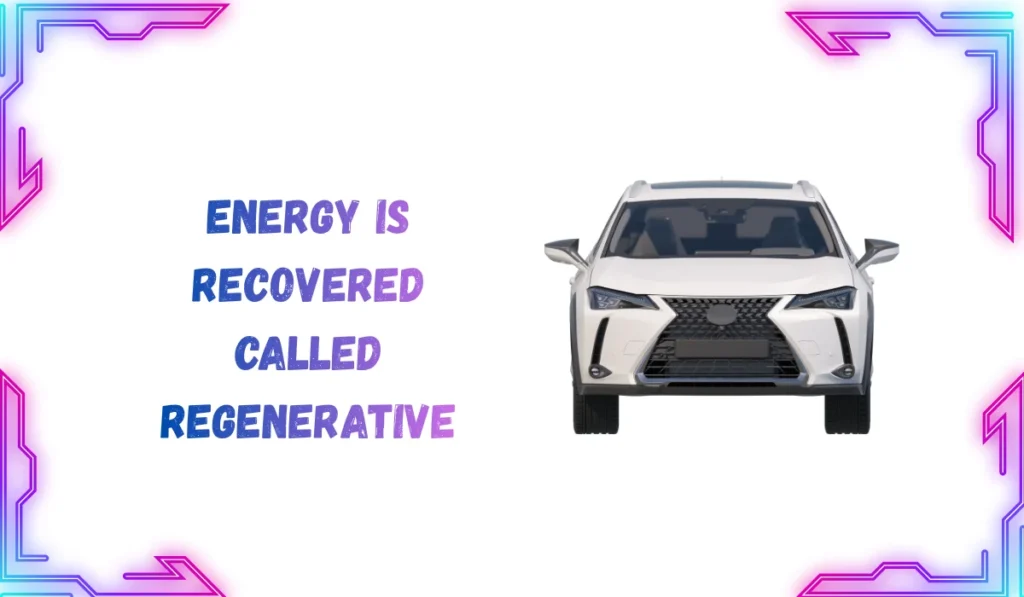
- During braking → energy is recovered (called regenerative braking)
Think of it like this:
It’s like having two workers in one car:
- One saves fuel (electric motor)
- One gives strong power (engine)
They take turns depending on what you need.
Types of Hybrid Cars You Should Know
Not all hybrid cars are the same. When people search hybrid car meaning, they often don’t realize there are different categories.
1. Full Hybrid (HEV)
- Can run on electric, petrol, or both
- No need to plug in
- Most common type
2. Mild Hybrid (MHEV)
- Electric motor supports the engine
- Cannot run on electric alone
- Cheaper but less efficient than full hybrids
3. Plug-in Hybrid (PHEV)
- Can be charged using an external charger
- Longer electric-only driving range
- Best for short city commutes
Why Hybrid Cars Are Becoming Popular in 2026
Hybrid cars are trending heavily in 2026 because fuel prices and environmental concerns are still major issues worldwide.
Here’s why people love them:
✔ Better fuel economy
You spend less money on petrol.
✔ Lower emissions
More eco-friendly than traditional cars.
✔ Smooth driving experience
Electric motors make acceleration smoother.
✔ No range anxiety (unlike full EVs)
You still have a petrol engine backup.
✔ Ideal transition step
Perfect for people not ready to fully switch to electric vehicles.
How to Use the Term “Hybrid Car Meaning” in Real Life Conversations
Even though this isn’t slang, people often use the phrase casually when asking for explanations.
Examples:
Example 1:
- Friend 1: “I’m thinking of buying a hybrid.”
- Friend 2: “Wait, what’s hybrid car meaning again?”
Example 2:
- “Google hybrid car meaning before buying one, they save a lot of fuel.”
Example 3 (social media):
- “2026 fuel prices crazy 😭 hybrid car meaning suddenly makes sense now.”
You’ll mostly see it used in:
- Google searches
- YouTube comments
- Car forums
- WhatsApp chats
- TikTok car reviews
Common Mistakes or Misunderstandings About Hybrid Cars
A lot of confusion surrounds hybrid vehicles, especially for beginners.
❌ Mistake 1: “Hybrid cars don’t use petrol”
Wrong. Most hybrids still use petrol—just less of it.
❌ Mistake 2: “You must plug them in”
Only plug-in hybrids need charging. Regular hybrids recharge themselves.
❌ Mistake 3: “They are slow”
Modern hybrids can be very fast due to combined power output.
❌ Mistake 4: “Battery replacement is frequent”
Hybrid batteries are designed to last many years (often 8–15+ years depending on usage).
❌ Mistake 5: “Maintenance is too expensive”
Not necessarily. In many cases, hybrids reduce engine wear.
Benefits and Downsides of Hybrid Cars
Let’s keep it real—hybrids are great, but not perfect.
👍 Benefits:
- Save fuel money
- Environmentally friendly
- Quiet driving at low speeds
- Great for city traffic
- High resale value in many markets
👎 Downsides:
- Higher upfront cost
- Battery replacement can be expensive (long-term)
- Slightly complex system compared to petrol cars
- Not always ideal for long highway-only driving
Related Terms and Abbreviations
If you’re researching hybrid car meaning, you might also see these terms:
- EV (Electric Vehicle) – fully electric car
- ICE (Internal Combustion Engine) – normal petrol/diesel engine
- PHEV – Plug-in Hybrid Electric Vehicle
- HEV – Hybrid Electric Vehicle
- MHEV – Mild Hybrid Electric Vehicle
- Regenerative Braking – energy recovery system
These terms are commonly used in car reviews and dealership conversations.
Real-Life Scenario: Why Hybrid Cars Make Sense
Imagine this:
You drive daily in city traffic, stuck in stop-and-go situations, and fuel prices keep increasing.
A hybrid car helps you:
- Use electric mode in traffic (saving fuel)
- Switch to petrol on highways
- Reduce overall cost per kilometer
That’s why ride-hailing drivers, office commuters, and families are switching to hybrids in 2026.
Internal Link Suggestions (for blog SEO)
If you’re building a website, you can internally link this article to:
- “Electric car vs hybrid car difference”
- “Best fuel-efficient cars in 2026”
- “What is an EV car?”
- “Car maintenance tips for beginners”
FAQs About Hybrid Car Meaning
1. What is the simple meaning of a hybrid car?
A hybrid car is a vehicle that uses both a petrol engine and an electric motor to improve fuel efficiency.
2. Do hybrid cars need charging?
Only plug-in hybrid cars need external charging. Regular hybrids charge themselves while driving.
3. Are hybrid cars good for long drives?
Yes, they are good for long drives because they switch to petrol mode when needed.
4. Is a hybrid car better than a petrol car?
In most cases, yes—because it saves fuel and reduces emissions.
5. How long do hybrid batteries last?
Typically between 8 to 15 years, depending on usage and brand.
6. Are hybrid cars expensive to maintain?
Not necessarily. Many owners report similar or even lower maintenance costs compared to petrol cars.
7. What is the difference between EV and hybrid?
An EV runs only on electricity, while a hybrid uses both electricity and petrol.
8. Why are hybrid cars popular in 2026?
Because they offer a balance between fuel savings, convenience, and eco-friendliness.
Conclusion
Understanding the hybrid car meaning is important in today’s automotive world because transportation is rapidly evolving.
Hybrid cars offer a practical middle ground between traditional petrol vehicles and fully electric cars, making them a smart choice for many drivers in 2026.
They are efficient, eco-friendly, and ideal for both city and highway use.
While they do have some downsides like higher initial cost, their long-term benefits often outweigh them.