When someone searches for ascites meaning, they may expect to find a simple definition. Unlike internet slang or texting abbreviations, however, ascites is a medical term, not a popular chat acronym.
You are more likely to see it in a doctor’s note, medical report, health article, or online discussion about a medical condition.
In simple words, ascites means an abnormal buildup of fluid inside the abdomen.
This extra fluid collects in the space around the organs in the belly and can cause swelling or a feeling of fullness.
Understanding the ascites meaning can help you read medical information more confidently and avoid confusing it with ordinary bloating.
It is also useful if you come across the term while reading a health report or discussing a medical condition online.
This guide explains what ascites means, how the word is used, common causes, symptoms, related medical terms, and common misunderstandings. It is informational only and does not replace advice from a qualified healthcare professional.
What Does Ascites Mean?
Ascites means a buildup of excess fluid in the abdominal cavity.
The word is pronounced roughly like uh-SY-teez.
The abdomen contains several organs, including the stomach, intestines, liver, and other structures. Normally, only a small amount of fluid is present in the abdominal cavity. With ascites, too much fluid accumulates there.
This can make the abdomen:
- Look swollen or enlarged
- Feel full or heavy
- Become uncomfortable or tight
- Cause a person to feel unusually bloated
The amount of fluid can vary from a small collection to a significant buildup.
So, if you want the shortest answer to “What does ascites mean?”, it is:
Ascites is the abnormal accumulation of fluid in the abdomen.
It is important to understand that ascites is a condition or symptom, not a disease by itself. It can happen because of several different underlying health problems.
Is Ascites a Slang Word or Texting Abbreviation?
No. Ascites is not normally internet slang, texting shorthand, or a chat abbreviation.
If you searched for ascites meaning in text, you may have encountered the word in a message, social media post, forum, or online health discussion. In that situation, the meaning is generally still the medical definition.
For example:
“The doctor said the patient has ascites.”
Here, ascites refers to fluid buildup in the abdomen.
Another example:
“The scan showed signs of ascites.”
Again, the word is being used in a medical context.
Unlike abbreviations such as LOL, BRB, or IMO, you would not normally use “ascites” as casual texting shorthand.
What Is the Origin of the Word Ascites?
The term ascites comes from an ancient Greek word associated with a bag or wineskin, referring to the appearance of a swollen abdomen filled with fluid.
Over time, the word became part of medical terminology.
Today, healthcare professionals use ascites to describe abnormal fluid accumulation within the abdominal cavity.
You may encounter the term in:
- Medical reports
- Hospital records
- Ultrasound or imaging results
- Health websites
- Medical research
- Doctor-patient conversations
- Online health forums
Knowing the origin is interesting, but the practical meaning is simple: fluid has collected in the abdomen in an abnormal amount.
What Causes Ascites?
There are several possible causes of ascites. The underlying cause matters because treatment depends on what is responsible for the fluid buildup.
One of the most common causes is advanced liver disease, particularly cirrhosis.
Other possible causes include:
- Certain cancers
- Heart failure
- Kidney-related conditions
- Severe infections affecting the abdomen
- Inflammation of the pancreas
- Some diseases affecting the liver
- Problems involving blood flow through the liver
The cause is not always obvious from the word “ascites” alone.
For example, if a medical report says:
“The patient has ascites.”
That statement tells you what is happening, but not necessarily why it is happening.
A doctor may need additional tests to determine the underlying cause.
This is an important distinction when reading medical information online. Ascites does not automatically mean one specific disease.
What Are the Common Symptoms of Ascites?
The symptoms can differ depending on how much fluid has accumulated and what caused it.
Some people may have only mild symptoms, while others may experience significant abdominal swelling.
Common signs can include:
- An enlarged or swollen abdomen
- A feeling of fullness or pressure
- Abdominal discomfort
- Increased body weight from fluid accumulation
- Feeling full quickly after eating
- Shortness of breath in some cases
- Swelling in the legs or ankles, depending on the underlying condition
A person with ascites may notice that their clothes feel tighter around the waist.
For example, someone might say:
“My stomach has become unusually swollen, and my doctor is checking for fluid buildup.”
That situation could involve ascites, but only a healthcare professional can determine the actual cause.
Ascites vs. Bloating: Are They the Same?
No. Ascites and ordinary bloating are not the same thing, even though both can make the abdomen appear larger.
Bloating is often related to things such as:
- Gas
- Digestive changes
- Certain foods
- Constipation
- Temporary stomach discomfort
Ascites, on the other hand, involves fluid accumulation inside the abdominal cavity.
This difference is important because someone might casually describe a swollen stomach as “bloating” without realizing that the cause could be something else.
If abdominal swelling is persistent, severe, painful, or accompanied by other concerning symptoms, it is important to seek medical advice rather than trying to diagnose the cause from online information.
How Is Ascites Diagnosed?
Doctors may use a combination of medical history, physical examination, and diagnostic tests.
Depending on the situation, evaluation may include:
- Physical examination
- Ultrasound
- CT scans
- Blood tests
- Other imaging tests
- Analysis of abdominal fluid in some cases
A healthcare professional may gently examine the abdomen for signs of fluid accumulation.
Imaging can also help identify fluid that may not be obvious from a basic physical examination.
If fluid is removed from the abdomen for testing, the procedure is commonly called paracentesis.
The goal is not simply to confirm that ascites is present. Doctors also try to understand what caused it.
How Is Ascites Treated?
Treatment depends heavily on the underlying cause and the person’s overall health.
Medical management may involve approaches such as:
- Treating the underlying condition
- Reducing sodium intake when advised by a healthcare professional
- Medications called diuretics in appropriate cases
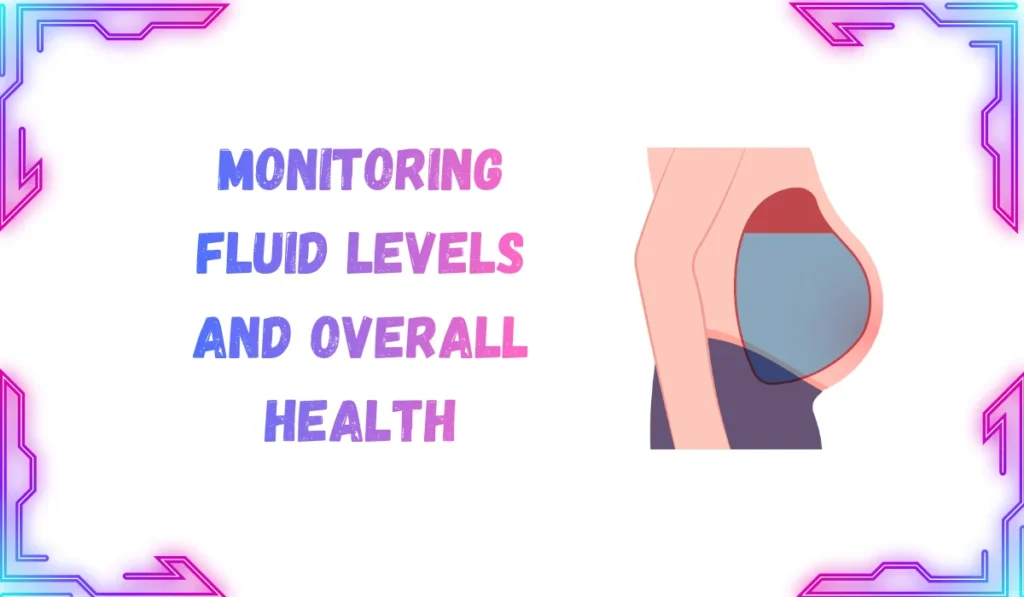
- Monitoring fluid levels and overall health
- Removing excess fluid through a medical procedure when necessary
In some situations, a doctor may recommend paracentesis, which involves removing fluid from the abdomen using a medical procedure.
More complicated cases may require additional treatments.
The key point is that there is no single treatment that works for every person with ascites. The correct approach depends on the cause, severity, and individual circumstances.
How to Use Ascites in Texts or Chat
Although ascites is not texting slang, it can appear naturally in online conversations about health.
Here are a few examples.
Example 1: Talking About a Medical Report
Person A: What did the scan show?
Person B: The doctor mentioned ascites and wants to run more tests.
Here, the word is used to describe fluid accumulation in the abdomen.
Example 2: Discussing a Health Condition
Person A: I was reading about liver disease today.
Person B: I saw that ascites can sometimes occur with advanced liver problems.
The term is being used in a medical discussion.
Example 3: Asking About a Medical Term
Person A: My report says “mild ascites.” What does that mean?
Person B: I think it means there is some fluid in the abdominal area, but you should ask your doctor for details about your specific report.
This is a good example of responsible online communication. A person can explain the general meaning without pretending to diagnose someone.
Ascites Meaning in Social Media and Online Chats
You may see ascites on platforms such as:
- TikTok
- Health forums
- Online support communities
- Medical discussion groups
The meaning usually remains the same.
For example:
“Has anyone else experienced ascites?”
or:
“My doctor said I have ascites. What questions should I ask at my next appointment?”
In these conversations, people may share personal experiences or ask for general information.
However, online discussions should not be treated as a substitute for professional medical care. Two people can have the same symptom but completely different underlying causes.
Common Mistakes or Misunderstandings About Ascites
Understanding the correct meaning is important because this medical term can easily be misunderstood.
Mistake 1: Thinking Ascites Is a Disease by Itself
Ascites describes fluid buildup. It can be caused by different underlying conditions.
The word alone does not tell you the exact cause.
Mistake 2: Assuming Ascites Means Simple Bloating
Although both can cause abdominal enlargement, they are different.
Bloating is often temporary and related to digestion. Ascites involves abnormal fluid accumulation.
Mistake 3: Treating Ascites Like a Texting Acronym
Some people searching for “ascites meaning in text” may assume it is slang.
It isn’t. The word is primarily medical.
Mistake 4: Assuming Every Swollen Abdomen Is Ascites
An enlarged abdomen can have many possible causes.
It is not accurate to assume that visible swelling automatically means ascites.
Mistake 5: Trying to Diagnose Yourself Online
Reading about symptoms can be useful, but it cannot replace a medical examination.
If you are concerned about persistent abdominal swelling or other symptoms, speak with a qualified healthcare professional.
Ascites vs. Edema: What’s the Difference?
Ascites and edema both involve excess fluid, but they are not exactly the same.
Ascites refers specifically to fluid accumulating in the abdominal cavity.
Edema generally refers to swelling caused by excess fluid in body tissues. It often appears in areas such as the:
- Feet
- Ankles
- Legs
- Hands
A person with certain underlying medical conditions may experience both ascites and edema.
However, the terms describe different locations and patterns of fluid accumulation.
Ascites vs. Abdominal Bloating
These terms are sometimes confused because both can involve a larger-looking abdomen.
The main difference is the cause.
Bloating is often associated with digestive issues, gas, constipation, or food-related changes.
Ascites involves abnormal fluid accumulation in the abdominal cavity.
If you are reading a medical report, the word ascites has a specific meaning and should not automatically be interpreted as ordinary bloating.
Related Medical Terms You May See
If you are researching ascites meaning, you may also encounter several related terms.
Cirrhosis
Cirrhosis is severe scarring of the liver. It can interfere with normal liver function and is a common underlying cause of ascites.
Paracentesis
Paracentesis is a medical procedure used to remove fluid from the abdominal cavity. The fluid may also be analyzed to help determine its cause.
Edema
Edema means swelling caused by excess fluid in body tissues. It is different from ascites but can occur alongside it in some conditions.
Portal Hypertension
Portal hypertension refers to increased pressure in the portal venous system, which carries blood toward the liver. It can play a role in the development of ascites.
Diuretics
Diuretics are medications that help the body remove excess salt and water through urine. Doctors may prescribe them in certain cases of fluid retention.
Why Do People Search for “Ascites Meaning in Text”?
The phrase “ascites meaning in text” can be confusing because many people use “in text” to mean “in a text message.”
However, in this case, someone might simply have encountered the medical word inside a written message, report, or online conversation.
For example, you could receive a message saying:
“The ultrasound showed ascites.”
If you don’t know medical terminology, you may search for the phrase online.
The answer is straightforward: ascites means abnormal fluid buildup in the abdomen.
So, unlike LOL or IDK, there is no hidden texting meaning behind the word.
How to Remember the Meaning of Ascites
A simple way to remember it is:
Ascites = abnormal abdominal fluid buildup.
Think of it as a medical term connected to fluid in the belly area.
You do not need to memorize complicated medical language to understand the basic definition.
If you see the word in a medical report, remember that the term describes a finding or condition, while additional information is needed to determine the underlying cause.
Quick Examples of Ascites in a Sentence
Here are some natural examples:
- The doctor detected ascites during the examination.
- The ultrasound showed a small amount of ascites.
- The patient was evaluated for possible ascites.
- The medical team is investigating the cause of the ascites.
- Ascites can occur in people with certain serious medical conditions.
- The report mentioned mild ascites in the abdominal cavity.
These examples show how the word is normally used in medical communication.
Frequently Asked Questions About Ascites
What does ascites mean in simple words?
Ascites means an abnormal buildup of fluid inside the abdomen. It is a medical term, not a common texting abbreviation.
Is ascites a disease?
Not exactly. Ascites describes a condition involving excess abdominal fluid. It can result from several different underlying health problems.
Is ascites the same as bloating?
No. Bloating and ascites can both make the abdomen look or feel larger, but they have different causes. Ascites involves fluid accumulation in the abdominal cavity.
Is ascites a serious condition?
It can be serious because it may be linked to significant underlying health conditions. The seriousness depends on the cause and the amount of fluid present.
Can ascites go away?
In some cases, ascites can improve when the underlying cause is properly treated. Management depends on the individual’s specific medical situation.
What is the difference between ascites and edema?
Ascites refers to fluid buildup in the abdominal cavity, while edema generally refers to swelling caused by excess fluid in body tissues, often affecting areas such as the legs or feet.
Is ascites a slang word?
No. Ascites is primarily a medical term. If you see it in a text message or online post, it is usually being used with its medical meaning.
What should I do if I think I have ascites?
If you have persistent abdominal swelling or are concerned about possible fluid buildup, contact a qualified healthcare professional. They can evaluate your symptoms and determine the appropriate next steps.
Final Thoughts
The simplest ascites meaning is abnormal fluid buildup in the abdomen.
It is a medical term rather than a texting abbreviation or internet slang word.
You may encounter it in medical reports, health articles, doctor-patient conversations, or online health communities.
Remember that ascites is a description of a medical condition or finding, not an explanation of its cause.
Several health problems can be associated with it, so professional evaluation is important when the term appears in a personal medical context.


