Have you ever received a message saying, “I’m dealing with a hangover today” or seen someone post “Hangover mode activated” on social media? If so, you may have wondered what hangover meaning is and whether it has a different meaning in texting or online chats.
While hangover is not a chat abbreviation like “LOL” or “BRB,” it is one of the most commonly used internet terms in conversations, memes, social media captions, and text messages. Understanding its meaning helps you avoid confusion and better understand casual online communication.
Updated for 2026, this guide explains the complete hangover meaning, where the word came from, how people use it in texting, social media, and everyday conversations, along with plenty of examples, common mistakes, and related slang.
What Does Hangover Meaning?
The hangover meaning is the unpleasant physical and mental effects someone experiences after drinking too much alcohol.
A hangover usually begins several hours after drinking ends, often the next morning. People may feel tired, thirsty, dizzy, nauseous, have a headache, or struggle to concentrate.
In simple words:
A hangover is how your body feels after consuming more alcohol than it can comfortably process.
Simple Definition
Hangover (noun):
The uncomfortable condition experienced after heavy alcohol consumption, typically including headache, nausea, dehydration, fatigue, and difficulty concentrating.
In Texting
In chats or text messages, hangover usually means exactly the same thing.
Example:
- “Sorry I missed your call. Massive hangover today.”
- “Can’t come out. Still recovering from last night’s hangover.”
Sometimes people even use it humorously to explain why they’re being lazy or slow to reply.
Origin of the Word Hangover
The word hangover first appeared in English during the late 1800s.
Originally, it referred to something left over from an earlier event. Over time, people began using it specifically for the lingering effects of drinking alcohol.
Today, the word has expanded beyond alcohol.
People now say things like:
- Vacation hangover
- Weekend hangover
- Netflix hangover
- Emotional hangover
- Shopping hangover
In these cases, the word describes the lingering feeling after an enjoyable or stressful experience.
What Does Hangover Mean in Text Messages?
When someone texts hangover, they’re usually explaining why they feel awful.
Examples include:
- “Running late. Hangover is killing me.”
- “Need coffee ASAP. Hangover level 100.”
- “Today’s productivity = zero because of this hangover.”
Friends often use the word casually without giving medical details.
In messaging apps like:
- Snapchat
- Instagram DMs
- Facebook Messenger
- Discord
- Telegram
- iMessage
…the meaning stays the same.
Hangover Meaning on Social Media
Social media users often post about hangovers in funny or relatable ways.
Common captions include:
- “Hangover recovery day.”
- “Never drinking again… until next weekend.”
- “Hangover got me questioning my life choices.”
- “Coffee is my best friend today.”
- “Hydration mission activated.”
These posts are usually meant to entertain friends while sharing a relatable experience.
How to Use Hangover Correctly in Texts or Chat
Using hangover is simple because it’s a regular English word rather than an abbreviation.
Here are common ways to use it.
Talking About Yourself
Examples:
- “I still have a hangover.”
- “Worst hangover ever.”
- “This hangover isn’t going away.”
Explaining Why You’re Tired
Examples:
- “Sorry I’m quiet today. Hangover.”
- “Brain isn’t working because of my hangover.”
Making Jokes
Examples:
- “Current mood: coffee vs. hangover.”
- “Hangover won today’s battle.”
Describing Someone Else
Examples:
- “He’s definitely dealing with a hangover.”
- “She skipped brunch because of her hangover.”
Examples of Hangover in Real Conversations
Example 1
Alex: Want breakfast?
Ryan: Maybe later. My hangover is terrible.
Example 2
Emma: Why aren’t you answering calls?
Lily: Sleeping off a hangover.
Example 3
Chris: Ready for the gym?
Ben: Absolutely not. Hangover day.
Example 4
Sarah: How was the party?
Anna: Amazing… but today’s hangover says otherwise.
Example 5
Jake: Movie tonight?
Tom: Maybe tomorrow. I’m recovering from a hangover.
Funny Ways People Use Hangover Online
Internet users often exaggerate hangovers for humor.
Popular examples include:
- “Hangover loading…”
- “Powered by coffee and regret.”
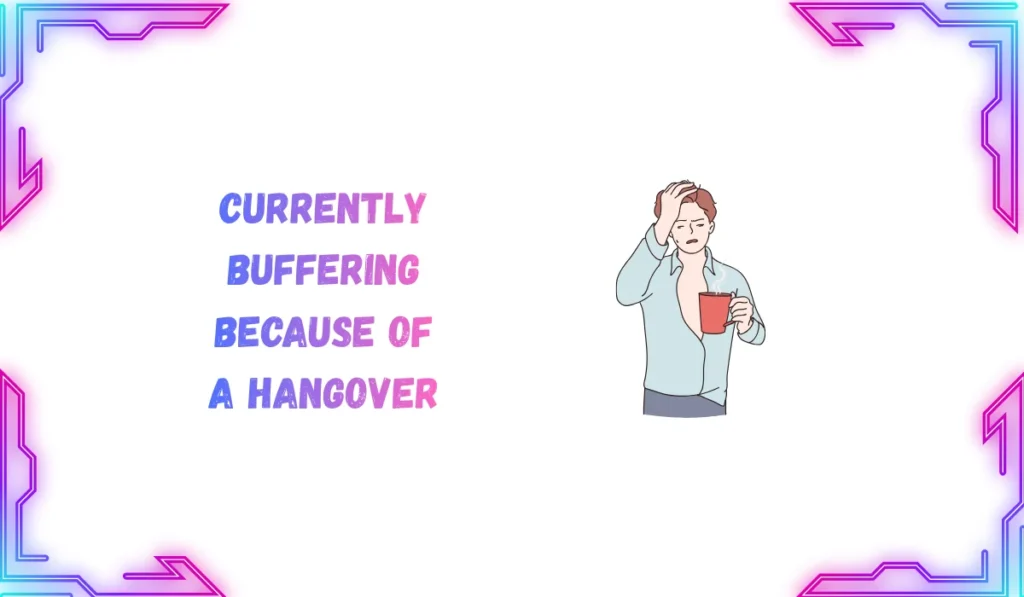
- “Currently buffering because of a hangover.”
- “Hangover level: Expert.”
- “My brain called in sick.”
These jokes are common on TikTok, X, Instagram, Reddit, and meme pages.
Can Hangover Mean Something Besides Alcohol?
Yes.
Although alcohol is the primary meaning, people often use hangover figuratively.
Examples include:
Emotional Hangover
Feeling emotionally drained after:
- A breakup
- A stressful event
- A sad movie
- A difficult conversation
Example:
“I’m still dealing with an emotional hangover after that meeting.”
Vacation Hangover
Feeling sad or tired after returning from a great vacation.
Example:
“I’ve got serious vacation hangover.”
Weekend Hangover
Feeling exhausted after a busy weekend.
Example:
“Monday is hitting hard. Weekend hangover.”
Shopping Hangover
Regretting spending too much money.
Example:
“My wallet has a shopping hangover.”
Common Mistakes About Hangover Meaning
Many people misunderstand how the word should be used.
Mistake 1: Thinking It Means Being Drunk
Not exactly.
Being drunk happens while alcohol is affecting you.
A hangover happens afterward.
Mistake 2: Assuming It’s Internet Slang
It isn’t.
Hangover is a standard English word that became popular online because people frequently talk about it.
Mistake 3: Using It Before Drinking
Incorrect:
“I have a hangover before the party.”
Correct:
“I might have a hangover tomorrow.”
Mistake 4: Thinking Everyone Experiences One
Not necessarily.
Some people experience severe hangovers, while others have mild symptoms or none at all.
Where Is Hangover Commonly Used?
You’ll often find hangover in:
- Text messages
- WhatsApp chats
- Snapchat
- Instagram captions
- TikTok comments
- Reddit discussions
- Facebook posts
- YouTube comments
- Online gaming chats
- Daily conversations
Because the word is widely recognized, there’s usually no confusion about its meaning.
Hangover vs Drunk
People sometimes confuse these two terms.
| Hangover | Drunk |
|---|---|
| Happens after drinking | Happens while drinking |
| Usually the next day | Happens immediately after alcohol |
| Headache, nausea, tiredness | Reduced coordination and judgment |
| Recovery stage | Intoxication stage |
Knowing the difference helps you use both words correctly.
Signs Someone Has a Hangover
Although symptoms vary, common signs include:
- Headache
- Nausea
- Fatigue
- Dry mouth
- Thirst
- Dizziness
- Trouble concentrating
- Sensitivity to light
- Sensitivity to noise
- Low energy
People often mention these symptoms casually in chats.
Related Slang and Similar Expressions
Here are some words and phrases related to hangover meaning.
Drunk
Having consumed enough alcohol to become intoxicated.
Buzzed
Feeling mildly affected by alcohol.
Tipsy
Slightly drunk but still functioning.
Wasted
Very drunk.
Hungover
The adjective form of hangover.
Example:
“I’m so hungover.”
Hair of the Dog
A humorous expression suggesting drinking more alcohol to ease hangover symptoms.
Recovery Day
A casual phrase for spending the day resting after drinking.
When Should You Avoid Using Hangover?
While the word is common among friends, it may not be appropriate in professional settings.
Avoid using it:
- In job interviews
- Formal emails
- Business presentations
- Workplace reports
Instead, use more professional explanations like:
- “I’m feeling unwell today.”
- “I’m recovering from an illness.”
Tips for Understanding Hangover References Online
If someone says:
- “Need electrolytes.”
- “Never drinking again.”
- “Coffee isn’t enough.”
- “My head hurts.”
- “Recovery mode.”
They’re often talking about a hangover, even if they never use the word directly.
Recognizing these clues helps you understand conversations more naturally.
Internal Linking Suggestions
To build topical authority, consider linking this article with related guides such as:
- Drunk Meaning in Text
- Tipsy Meaning
- Buzzed Meaning
- LOL Meaning
- TBH Meaning
- SMH Meaning
- IMO Meaning
- BRB Meaning
These related articles can help readers better understand modern online language.
FAQs
What does hangover mean?
A hangover is the unpleasant physical and mental effects experienced after drinking too much alcohol.
Is hangover a texting abbreviation?
No. Hangover is a regular English word that is commonly used in text messages and online conversations.
Can hangover have a non-alcohol meaning?
Yes. People also use it figuratively, such as vacation hangover, emotional hangover, or weekend hangover.
What does “I’m hungover” mean?
It means the person is currently experiencing the symptoms of a hangover.
Is hangover slang?
Not exactly. It’s a standard dictionary word, although it appears frequently in casual conversations and internet culture.
What’s the difference between drunk and hangover?
Being drunk means alcohol is currently affecting you. A hangover refers to the after-effects once the alcohol has worn off.
Where is the word hangover commonly used online?
It’s commonly seen on WhatsApp, Instagram, TikTok, Snapchat, Reddit, Facebook, Discord, and other social media or messaging platforms.
Can you use hangover jokingly?
Yes. Many people use it humorously in memes, captions, and chats, often exaggerating their symptoms for comedic effect.
Conclusion
The hangover meaning is simple: it refers to the unpleasant after-effects of drinking too much alcohol.
Although it isn’t a texting abbreviation, it’s one of the most frequently used words in online conversations, memes, social media captions, and casual chats.
It can also be used figuratively to describe lingering feelings after vacations, emotional events, or busy weekends.
Updated for 2026, understanding the word hangover helps you follow modern conversations with confidence and use it naturally in texts, social media posts, and everyday discussions.


