Have you ever seen someone called a jester in a text message, TikTok comment, Discord chat, or social media thread and wondered what it actually means?
You’re not alone.
Internet slang evolves fast, and words that once had a traditional meaning often develop entirely new interpretations online.
The term jester is a perfect example.
While it originally referred to a royal entertainer who made kings and queens laugh, modern internet users have given it several new meanings ranging from playful teasing to outright insults.
Understanding the jester meaning can help you avoid confusion, interpret online conversations correctly, and even use the term yourself in the right context.
In this guide, you’ll learn:
- The original history behind the word
- How people use it in texts and chat
- Similar slang words and expressions
Updated for 2026, this article covers everything you need to know about the term “jester.”
What Does Jester Mean?
The word jester traditionally refers to a person employed by royalty to entertain people through jokes, tricks, and humorous performances.
Traditional Definition
Historically, a jester was:
- A court entertainer
- A comedian for kings and queens
- Someone who used humor to amuse others
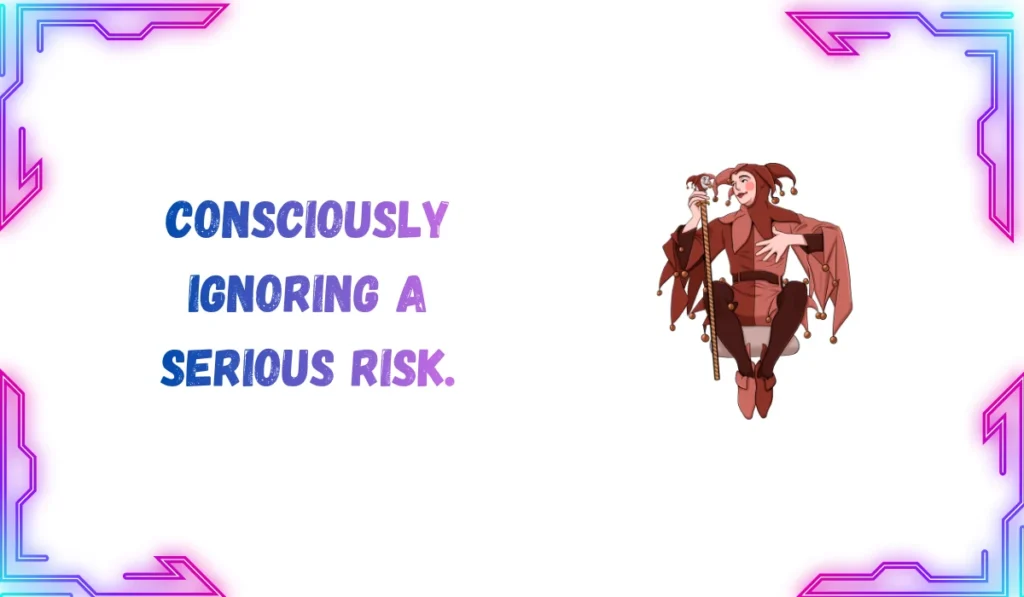
- Often dressed in colorful clothing with bells
However, online slang has expanded the meaning considerably.
Jester Meaning in Modern Slang
In internet culture, calling someone a jester often means:
A person who constantly acts foolish, clowns around, or embarrasses themselves for attention.
Depending on the situation, it can be:
- Playful
- Sarcastic
- Mocking
- Humorous
- Mildly insulting
For example:
“Bro is acting like a complete jester in the comments.”
This usually means the person is behaving ridiculously or trying too hard to be funny.
The Origin of the Word Jester
The term comes from the Old French word gestour, meaning storyteller or entertainer.
During medieval times, jesters entertained royal courts through:
- Comedy
- Music
- Storytelling
- Tricks
- Satire
Unlike many people at court, jesters were sometimes allowed to criticize powerful figures through humor.
Over centuries, the word became associated with:
- Foolish behavior
- Comedy
- Clowning around
- Not being taken seriously
That evolution helped shape the modern slang version used online today.
How Is Jester Used in Texts and Online Chat?
The modern slang meaning depends heavily on context.
1. Someone Acting Silly
One of the most common uses describes a person behaving foolishly.
Example:
“You really wore sunglasses at night? You’re a jester.”
Meaning:
The person is being goofy or ridiculous.
2. Someone Seeking Attention
Many internet users call someone a jester when they appear desperate for attention.
Example:
“He’s posting drama every day. Such a jester.”
Meaning:
The person is creating unnecessary attention around themselves.
3. Friendly Teasing Among Friends
Not every use is negative.
Friends often use “jester” playfully.
Example:
“You dropped your phone in your cereal again? Absolute jester.”
Meaning:
A lighthearted joke between friends.
4. Someone Who Isn’t Taken Seriously
In debates or online discussions, people may use jester to dismiss someone’s opinion.
Example:
“Ignore him. He’s just a jester.”
Meaning:
The speaker believes the person lacks credibility.
Jester Meaning on Social Media
The word appears frequently across social platforms.
TikTok
On TikTok, users often comment:
- “Certified jester.”
- “This dude is a jester.”
- “Jester behavior.”
These comments usually refer to someone acting embarrassingly or doing something ridiculous.
X (Twitter)
On X, the term is often used sarcastically during arguments.
Example:
“Every tweet makes him look more like a jester.”
Meaning:
The person appears foolish or unserious.
Discord
Discord communities use jester casually among friends.
Example:
“Don’t listen to him. He’s our server jester.”
Meaning:
The funny person in the group.
Reddit users often use the term during discussions when describing someone making absurd claims or trolling.
Different Meanings of Jester Depending on Tone
One interesting thing about internet slang is that tone changes everything.
Positive Use
Sometimes jester simply means:
- Funny
- Entertaining
- Comedic
Example:
“He’s the jester of our friend group.”
Meaning:
He’s the person who keeps everyone laughing.
Neutral Use
Sometimes it just means:
- Goofy
- Silly
- Playful
Example:
“Stop being a jester and help me move this couch.”
Negative Use
In harsher contexts, jester can imply:
- Fool
- Attention seeker
- Embarrassing person
Example:
“The guy livestreaming fake drama is a complete jester.”
Examples of Jester in Conversations
Here are realistic examples you might encounter online.
Example 1: Gaming Chat
Player 1: We lost because you jumped off the map.
Player 2: I thought I could fly.
Player 1: You’re such a jester.
Meaning:
Player 2 made a silly mistake.
Example 2: Group Text
Sarah: I accidentally wore two different shoes today.
Emma: Absolute jester behavior.
Meaning:
Friendly teasing.
Example 3: Social Media Comment
User: I invested my entire paycheck into a meme coin.
Comment: Certified jester.
Meaning:
The commenter thinks the decision was foolish.
Example 4: School Chat
Jake: I forgot my backpack at home again.
Friend: Bro is the class jester.
Meaning:
Jake regularly does funny or silly things.
Why Has Jester Become Popular Online?
Several reasons explain the rise of the word.
It Sounds Less Harsh Than “Idiot”
Calling someone a jester often feels more humorous than saying:
- Idiot
- Moron
- Fool
This makes it popular in memes and jokes.
It Fits Meme Culture
Internet culture loves dramatic language.
Instead of saying:
“He looks silly.”
People may say:
“He is a royal court jester.”
The exaggerated wording makes the joke funnier.
It Creates Visual Humor
Most people imagine a colorful medieval entertainer when they hear the word.
That mental image makes the insult more amusing.
Common Mistakes About Jester Meaning
Many people misunderstand the term.
Mistake #1: Assuming It Always Means Clown
While similar, a jester is not always equivalent to a clown.
Modern slang can imply:
- Attention seeking
- Lack of seriousness
- Foolish behavior
Not just comedy.
Mistake #2: Thinking It’s Always an Insult
Friends often use jester affectionately.
Example:
“You’re such a jester.”
This can simply mean:
“You’re hilarious.”
Mistake #3: Ignoring Context
The same word can be positive or negative.
Compare:
Positive:
“He’s the jester of our friend group.”
Negative:
“Stop acting like a jester online.”
The meaning changes based on context.
How to Use Jester Correctly
If you want to use the term naturally, follow these tips.
Use It for Funny Behavior
Example:
“You’re acting like a jester today.”
Use It for Silly Mistakes
Example:
“Only a jester would forget their password three times.”
Use It Playfully With Friends
Example:
“Nice parking job, jester.”
Avoid Using It in Formal Settings
Not recommended in:
- Work emails
- Professional messages
- Academic writing
The term belongs mainly in casual conversations.
Related Slang Words and Abbreviations
If you’re learning internet slang, these terms are closely related to jester.
Clown
Someone behaving foolishly.
Example:
“You’re a clown.”
Goofy
Playfully silly.
Example:
“That’s goofy.”
Troll
Someone intentionally provoking others online.
Example:
“He’s obviously trolling.”
NPC
A person perceived as unoriginal or robotic.
Example:
“NPC behavior.”
Buffoon
A traditional word meaning a ridiculous or foolish person.
Example:
“Don’t be a buffoon.”
Fool
One of the oldest equivalents of jester.
Example:
“Only a fool would do that.”
Meme Lord
Someone constantly making jokes and memes.
Example:
“He’s the meme lord of the group.”
When Should You Call Someone a Jester?
Consider using it when someone:
✅ Does something hilariously dumb
✅ Makes everyone laugh
✅ Is joking around
✅ Acts dramatically for attention
✅ Creates funny chaos
Avoid using it when:
❌ The situation is serious
❌ The person may be genuinely offended
❌ Professional communication is involved
Is Jester a Compliment or an Insult?
The answer is: it depends.
It Can Be a Compliment
When it means:
- Funny
- Entertaining
- Comedic
Example:
“You’re the jester of our friend group.”
It Can Be an Insult
When it means:
- Foolish
- Embarrassing
- Attention-seeking
Example:
“Stop acting like a jester online.”
Always pay attention to tone and context.
Frequently Asked Questions (FAQs)
1. What does jester mean in slang?
In slang, a jester is usually someone acting silly, foolish, entertaining, or attention-seeking.
2. Is calling someone a jester rude?
Not always. It can be playful among friends, but it may also be used as a mild insult.
3. What does “certified jester” mean?
It means someone is behaving so foolishly that they’re being jokingly labeled an expert-level fool.
4. Is jester the same as clown?
They are similar, but jester often has a stronger connection to comedy and attention-seeking behavior.
5. Why do people use jester online?
People use it because it’s humorous, less harsh than stronger insults, and fits meme culture.
6. Can jester be a compliment?
Yes. It can describe someone who is funny, entertaining, and keeps a group laughing.
7. Is jester popular on TikTok?
Yes. TikTok comments frequently use “jester,” “certified jester,” and “jester behavior” to describe funny or embarrassing actions.
8. Should I use jester in professional communication?
No. It’s best reserved for casual texting, social media, gaming chats, and conversations with friends.
Conclusion
The modern jester meaning has evolved far beyond its medieval origins.
Whether you encounter the term on TikTok, Discord, Reddit, X, or in a group chat, understanding the context is key.
Updated for 2026, the term remains popular because it’s funny, expressive, and perfect for meme culture.
The next time someone calls you a jester, you’ll know exactly what they mean—and whether it’s time to laugh or defend your honor.


