Understanding the gluten-free meaning has become increasingly important in modern food culture, health discussions, and even social media conversations.
While some people mistakenly treat it like internet slang or a chat abbreviation, “gluten-free” is actually a dietary term that plays a major role in nutrition, allergies, and lifestyle choices worldwide.
Updated for 2026, this guide breaks everything down in simple, human-friendly language so you’ll never be confused when you see “gluten-free” on menus, food labels, or even in online chats.
What Does Gluten-Free Meaning Mean? (Definition & Origin)
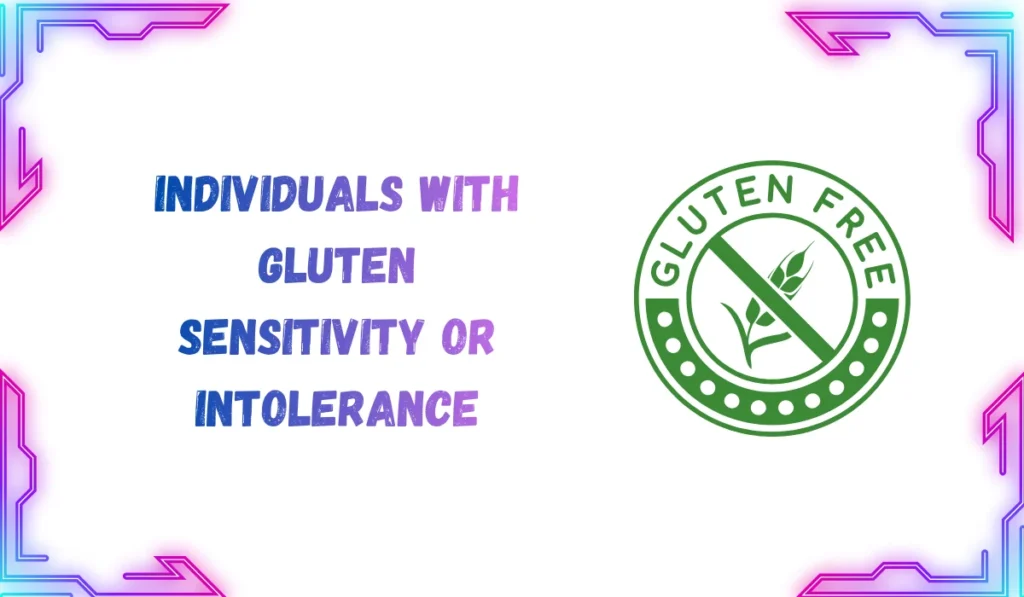
The gluten-free meaning refers to food or products that do not contain gluten, a type of protein found in wheat, barley, rye, and their derivatives.
In simple terms:
Gluten-free = No gluten protein present in the food or product
🥖 What is gluten?
Gluten is a natural protein that gives dough its elasticity and helps bread rise and stay chewy. It’s found in common foods like:
- Bread
- Pasta
- Cakes and pastries
- Beer
- Breakfast cereals
🌱 Why did “gluten-free” become popular?
The rise of gluten-free diets started due to:
- People diagnosed with celiac disease
- Individuals with gluten sensitivity or intolerance
- Health and wellness trends focusing on digestion and clean eating
By the early 2010s, gluten-free became a global food movement, and by 2026, it’s a standard label in supermarkets, restaurants, and packaged foods worldwide.
Is “Gluten-Free” Internet Slang or Chat Abbreviation?
Let’s clear up a common confusion:
👉 “Gluten-free” is NOT slang or a texting abbreviation.
It is often mistaken as a chat term because people sometimes shorten it to:
- “GF food”
- “GF diet”
- “GF options”
But these are just shorthand references, not official slang like “LOL” or “BRB.”
So if you’re searching for gluten-free meaning in text messages, the answer is simple:
It still means food or products that contain no gluten — nothing more.
How to Use “Gluten-Free” in Real Life (Texts, Chats & Social Media)
Even though it’s not slang, the term gluten-free is frequently used in casual conversations, especially when discussing food choices, allergies, or restaurant plans.
💬 Common ways people use it in chat:
- “Is this cake gluten-free?”
- “I need gluten-free options for dinner.”
- “She’s on a gluten-free diet.”
- “Do they have GF pizza here?”
📱 On social media:
People often use it in captions or posts like:
- “Trying this new gluten-free pasta 🍝”
- “Found the best gluten-free bakery in town!”
- “My gluten-free journey starts today!”
🍽️ In restaurants:
You might see it on menus:
- Gluten-free bread available
- Gluten-free pasta substitute
- Gluten-free dessert options
Examples of Gluten-Free Meaning in Conversations
Here are some real-life style examples to help you understand how it appears in daily communication:
Example 1: Ordering food
A: “What should we eat tonight?”
B: “Let’s go somewhere with gluten-free options. My friend can’t eat wheat.”
Example 2: Grocery shopping chat
A: “What are you buying?”
B: “Just some gluten-free snacks and almond milk.”
Example 3: Social media post
“Finally found a gluten-free pizza that actually tastes good 😍”
Example 4: Health discussion
“I switched to a gluten-free diet and feel less bloated now.”
These examples show that the term is mostly used in health, food, and lifestyle contexts, not casual slang conversations.
Common Mistakes or Misunderstandings About Gluten-Free Meaning
Even in 2026, many people still misunderstand what gluten-free meaning actually implies. Let’s clear up the confusion.
❌ Mistake 1: Thinking gluten-free means healthy
Not always true. Gluten-free foods can still be:
- High in sugar
- Highly processed
- Low in nutrients
Gluten-free only means no gluten, not automatically “healthy.”
❌ Mistake 2: Confusing gluten-free with vegan
They are completely different:
- Gluten-free → No wheat/barley/rye protein
- Vegan → No animal products
A food can be:
- Gluten-free but not vegan
- Vegan but not gluten-free
- Both gluten-free and vegan
❌ Mistake 3: Assuming it’s a diet trend only
For some people, gluten-free is not a choice but a medical necessity, especially those with celiac disease.
❌ Mistake 4: Thinking “GF” always means gluten-free
In texting, “GF” can also mean:
- Girlfriend
- Good Fight (gaming context)
So context matters!
Related Terms and Abbreviations
To fully understand the gluten-free meaning, it helps to know related terms often used in food and health conversations:
🥗 1. Celiac Disease
A serious autoimmune condition where gluten damages the small intestine.
🌾 2. Gluten Sensitivity
A condition where people feel discomfort after eating gluten but don’t have celiac disease.
🍞 3. Wheat-Free
Means no wheat, but may still include barley or rye (unlike gluten-free).
🧾 4. GF (Shorthand)
Informal abbreviation for gluten-free in menus, chats, and labels.
🥑 5. Clean Eating
A broader lifestyle trend often overlapping with gluten-free diets.
How Gluten-Free Is Used in Modern Digital Culture (2026 Trends)
In 2026, the gluten-free concept is more than just food labeling—it has become part of lifestyle branding and online identity.
You’ll commonly see:
- TikTok creators sharing “gluten-free meal prep”
- Instagram influencers reviewing gluten-free snacks
- YouTube food bloggers comparing gluten-free products
- AI diet apps suggesting gluten-free meal plans
Even grocery delivery apps now include filters like:
“Show gluten-free products only”
This shows how deeply integrated the concept has become in digital life.
Why People Choose Gluten-Free Diets
People follow a gluten-free lifestyle for different reasons:
🏥 Medical reasons:
- Celiac disease
- Gluten intolerance
- Wheat allergy
🌿 Lifestyle reasons:
- Digestive comfort
- Reduced bloating (for some individuals)
- Perceived wellness benefits
🧠 Psychological reasons:
- Health awareness trends
- Influencer-driven diet choices
However, nutrition experts often recommend consulting a professional before eliminating gluten completely.
7–8 Frequently Asked Questions (FAQs)
1. What is gluten-free meaning in simple words?
It means food or products that do not contain gluten, a protein found in wheat, barley, and rye.
2. Is gluten-free a slang or texting abbreviation?
No, it is a dietary term, not slang or chat shorthand.
3. Does gluten-free mean healthy?
Not always. Gluten-free simply means no gluten, not necessarily low-calorie or nutritious.
4. What foods are naturally gluten-free?
Rice, fruits, vegetables, eggs, meat, and dairy (unprocessed forms) are naturally gluten-free.
5. What does GF mean in texting?
It can mean “gluten-free,” but in casual texting it often means “girlfriend,” depending on context.
6. Who needs a gluten-free diet?
Mainly people with celiac disease, gluten sensitivity, or wheat allergy.
7. Can I lose weight on a gluten-free diet?
Not automatically. Weight loss depends on overall diet, not just gluten removal.
8. Is oats gluten-free?
Oats are naturally gluten-free but often contaminated during processing unless labeled certified gluten-free.
Conclusion
The gluten-free meaning is straightforward but widely misunderstood. It refers to foods and products that do not contain gluten, a protein found in wheat, barley, and rye.
While it is not internet slang or a chat abbreviation, it is commonly used in everyday conversations, especially when discussing diet, health, and food choices.
In 2026, gluten-free living has become a global trend influenced by health awareness, digital food culture, and lifestyle preferences.